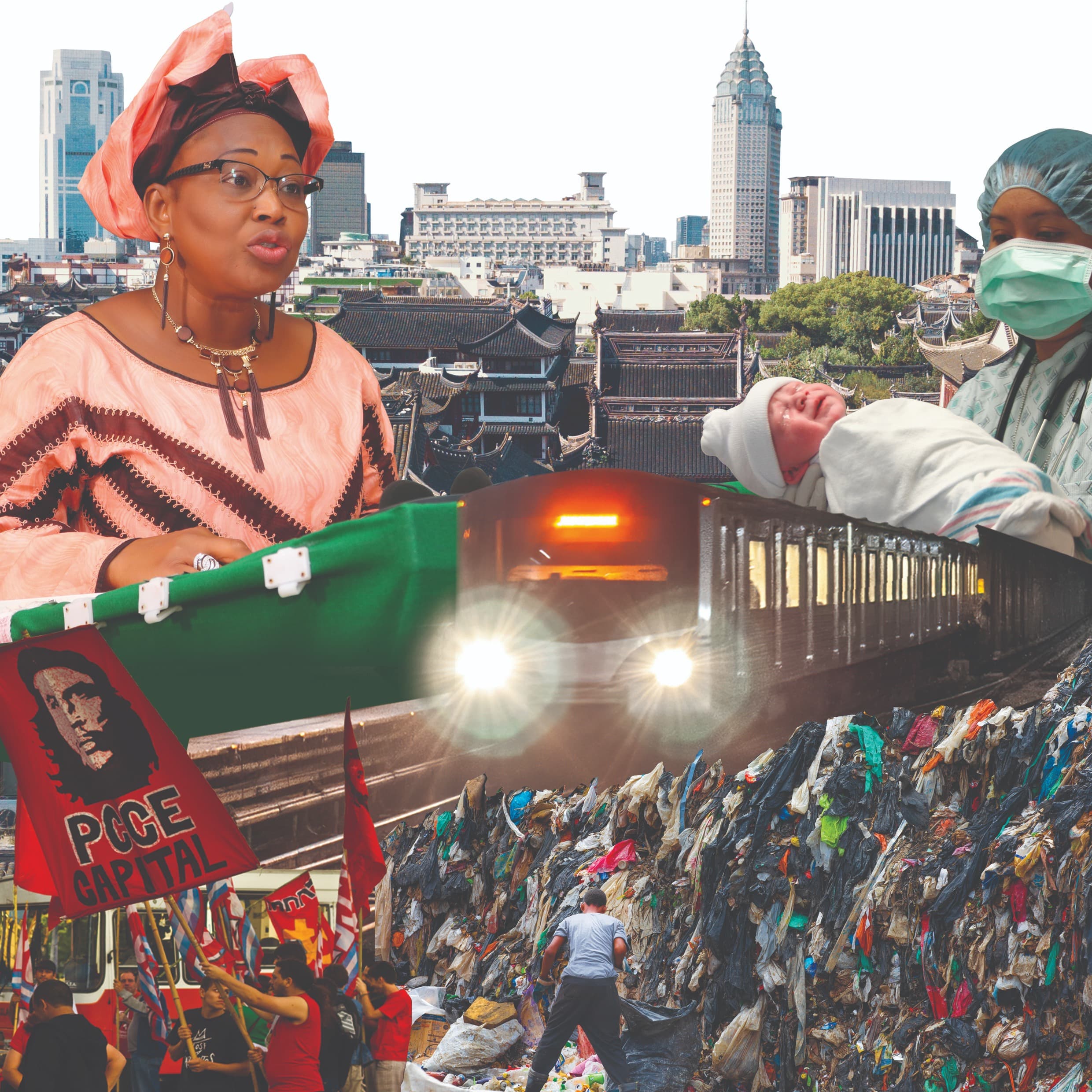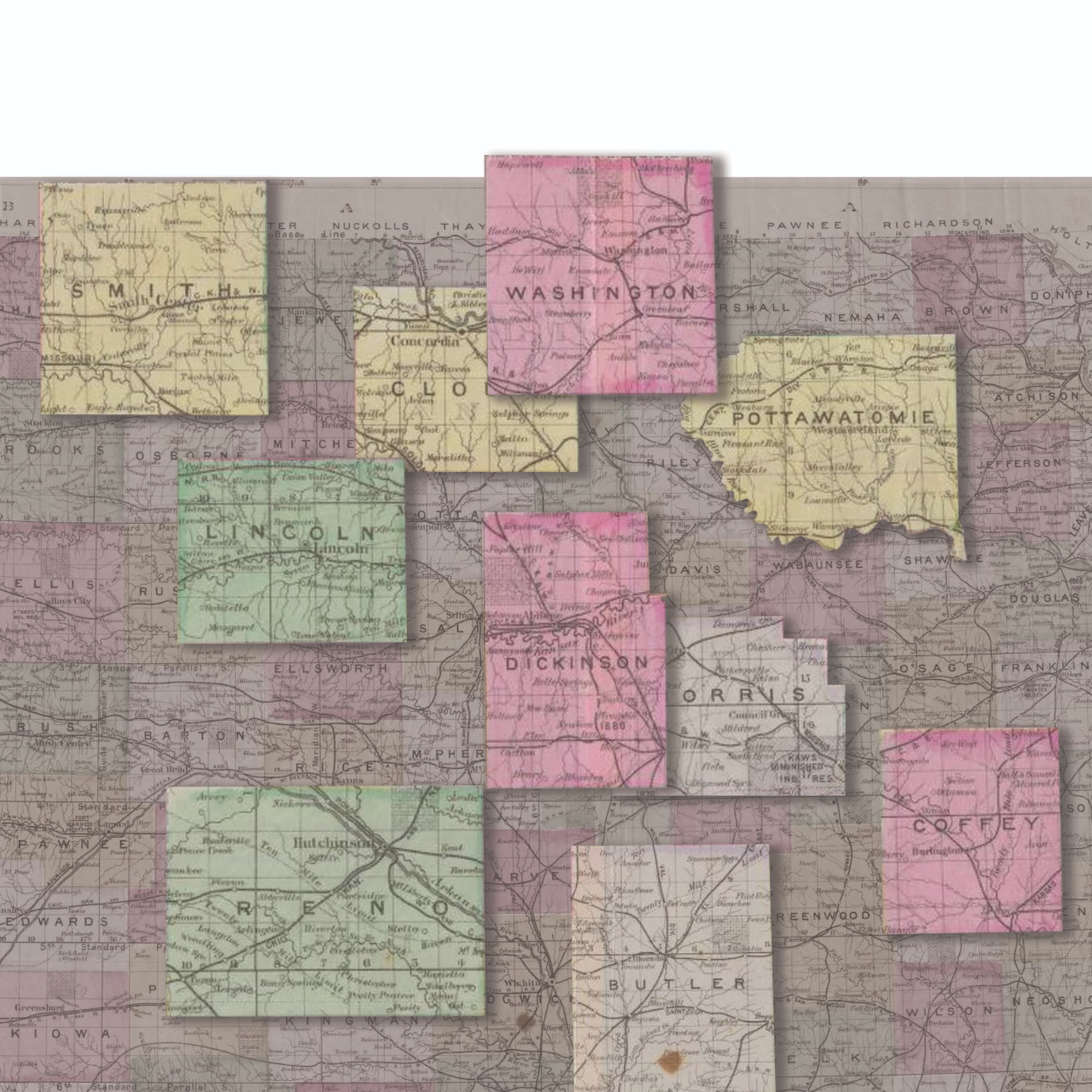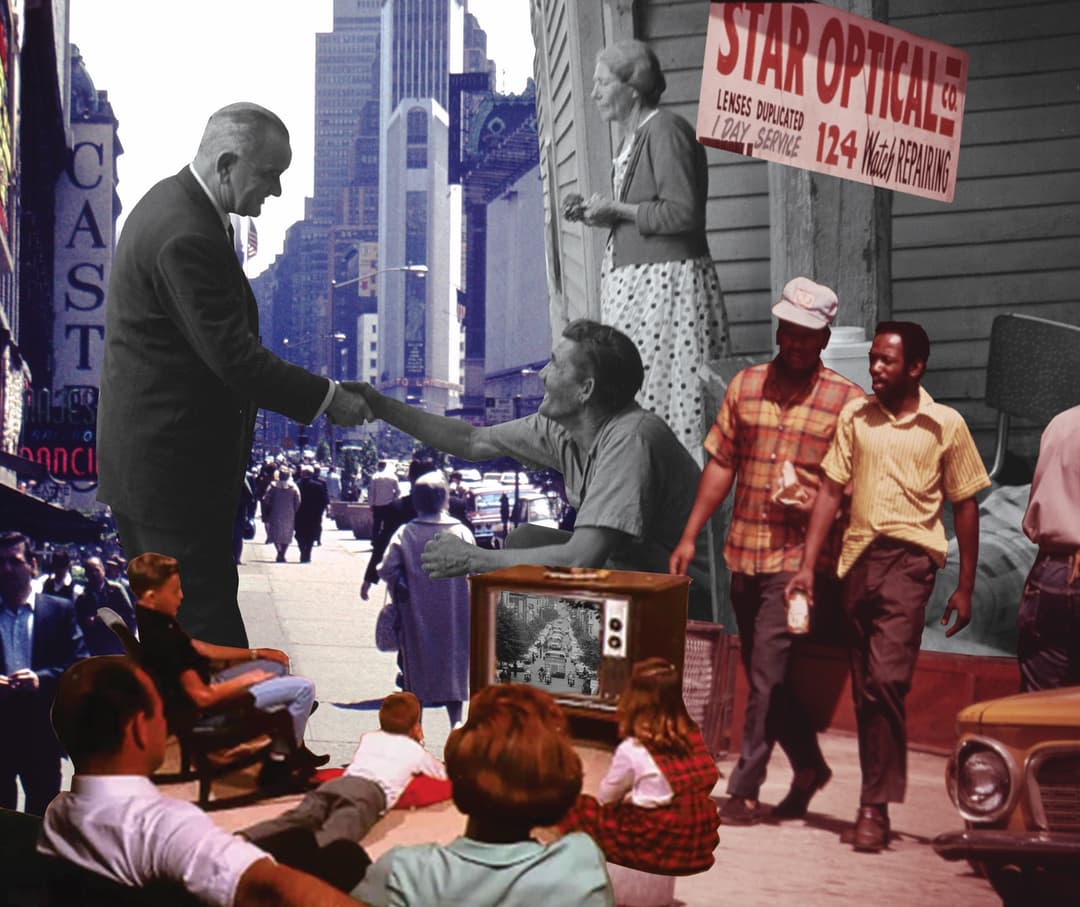
More than 5 million pages of previously undigitized documents open a window onto the social history of the second half of the twentieth century. The content comes from more than 900 organizations across North America.
In addition, all the reports and publications listed in the Index to Current Urban Documents will now be fully digitized and included, making the hard-to-access microfiche searchable and easily available.
At a glance
5,000,000+
More than five million pages of primary-source content, previously undigitized, hidden, and hard to reach.
900+
Content drawn from 900+ organizations, along with all the ICUD (microfiche) reports and publications
The social history of a continent in flux, told through the eyes of its communities
Let the streets speak. Let the neighborhoods tell their story. Rediscover the urban past through the voices that shaped it.
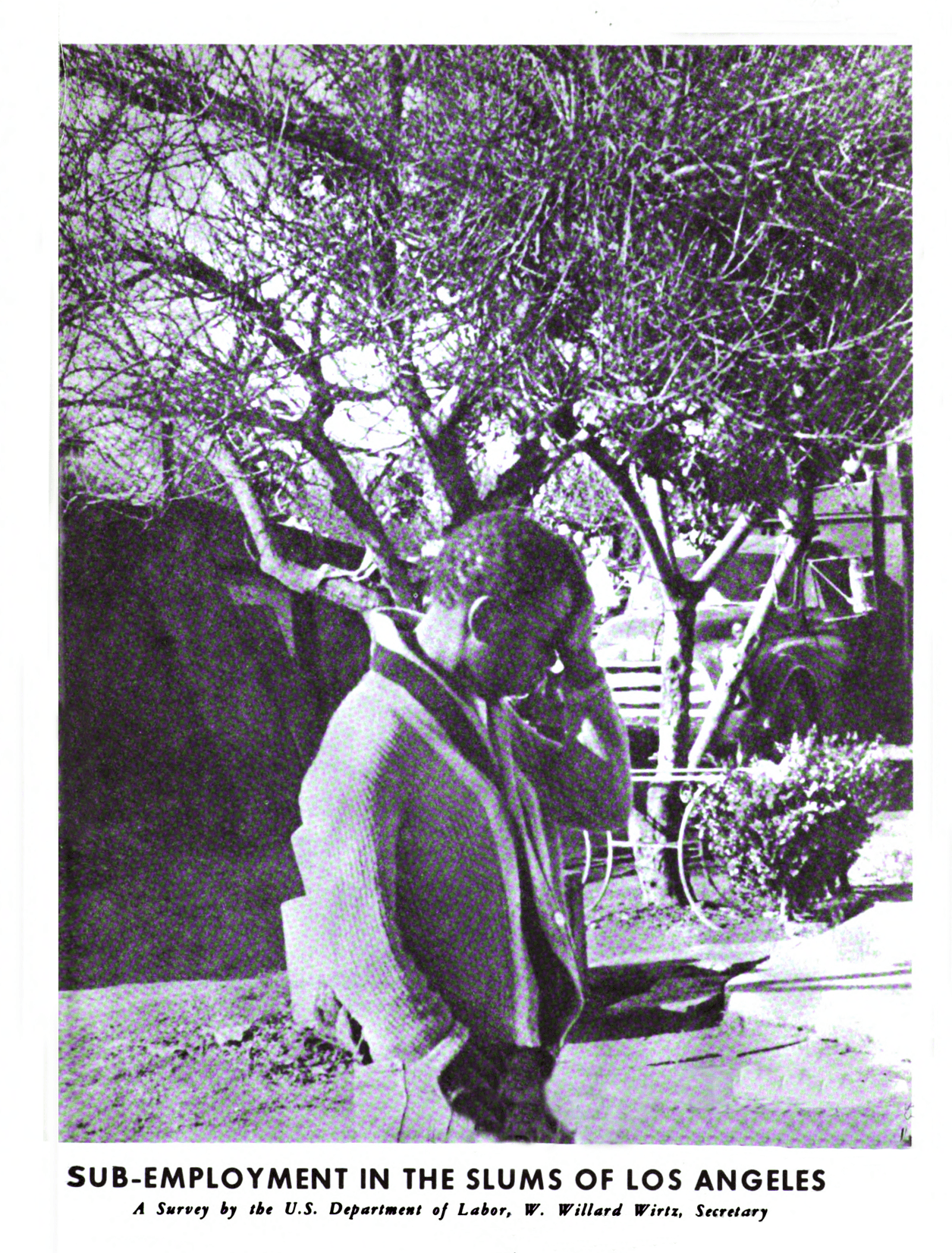
The voices of communities
The second half of the twentieth century reshaped North American cities—and redefined how people lived, worked, moved, and resisted.
From racial justice protests to public housing debates, suburban sprawl to industrial collapse—the decisions made in living rooms, the streets, city halls, police stations, and planning commissions left lasting imprints.
More than five million pages of:
city and county reports
neighborhood assessments
migration and resettlement studies
civil disturbance reports
policing and crime appraisals
community programs
statistical studies
meetings and minutes
directories
planning codes
budgets and financial materials
census data
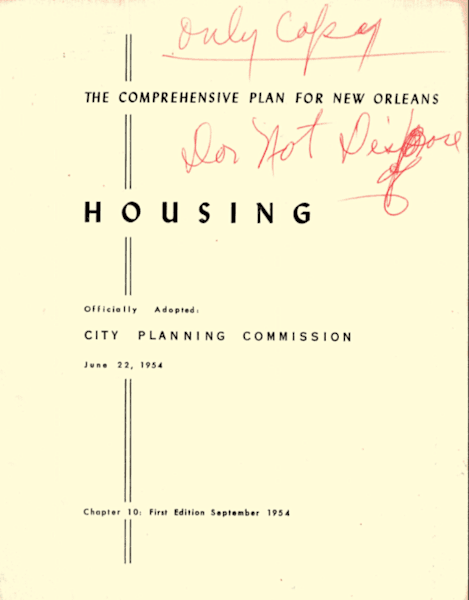
These materials were never widely distributed
This exclusive archive preserves not only plans and policies, but the voices of communities.
It's not just a collection about zoning maps and transportation grids—it's a record of people, families, neighborhoods, and communities facing big questions of modern life.
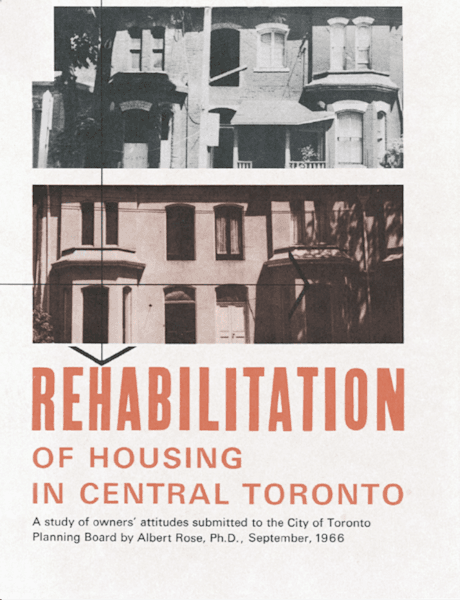
How will you use it?
The collection presents social history as seen through the eyes of communities, neighborhoods, and civic institutions. Exclusive accounts from inside town halls, police departments, neighborhood groups, and youth centers are here alongside official publications. Together, they show the connections between policy and lived experience.
Essential material for studying:
Sociology and social justice—community organizing against poverty, displacement, segregation, police violence
African American and Black studies—racial equity, political organizing, economic empowerment, Black Power Movement, Civil Rights Movement
Latino and Hispanic studies—political and cultural mobilization of Latino communities, Chicano student activism, bilingual education, labor organizing, neighborhood advocacy groups
Migration and immigration studies—local planning efforts, Hmong and Cuban resettlement studies, reports on Mexican, Puerto Rican, and Southeast Asian populations
Labor studies and 1960s radical movements—grassroots labor movements, youth activism, women’s liberation groups, New Left coalitions
Economics and business—strategies to attract, retain, or revive local industries and employment
Public health and education—school desegregation, child welfare programs, community clinics, mental health initiatives
Environmental studies—pollution, land use, green space, environmental justice, sustainability
History and political science—interaction with (or resistance to) federal programs like the War on Poverty and Model Cities
Criminology and legal studies—crime, policing, incarceration, justice system reform
Central American and Caribbean studies—migration, including communities fleeing civil war; populations navigating housing, education, and labor barriers; communities organizing for economic opportunities, education access, and political representation
Sample items
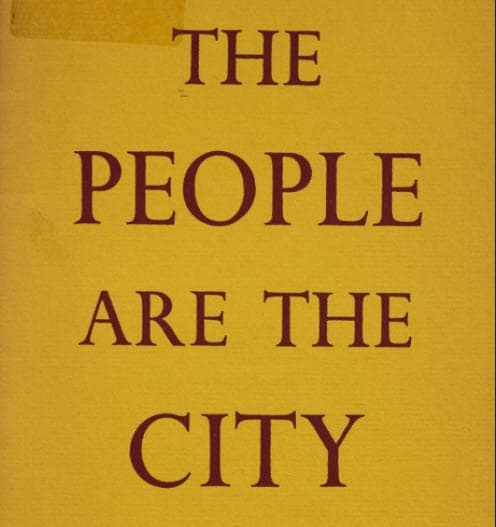
The People Are the City
Baltimore (1953)
A groundbreaking reframing of urban renewal through the lens of community well-being.
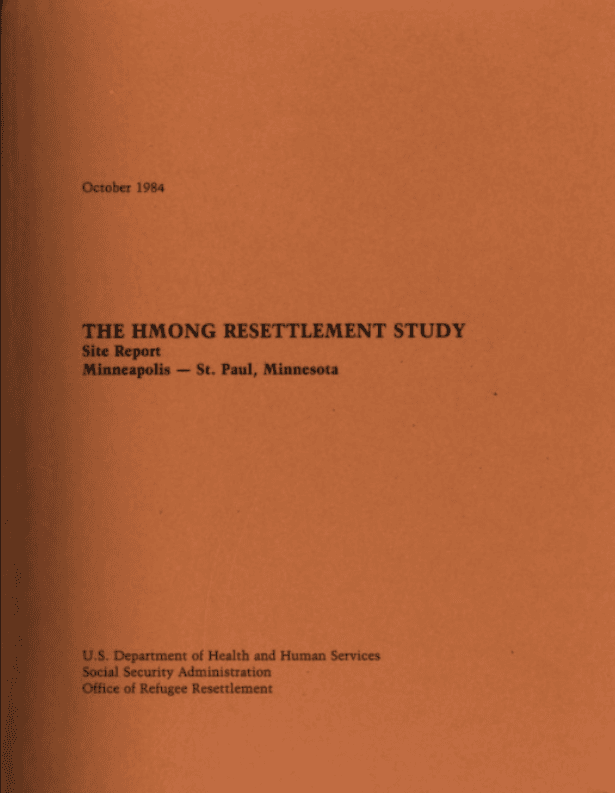
"The Hmong Resettlement Study Site Report"
Minneapolis–St. Paul (1984)
A rare report documenting refugee resettlement policy and social impact.
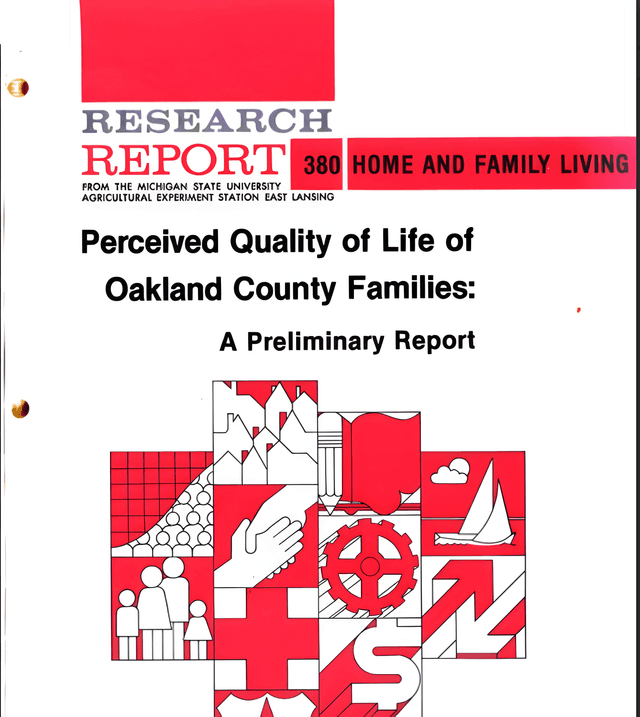
"Perceived Quality of Life of Oakland County Families: A Preliminary Report"
Oakland County, MI (1979)
Highlights the gap between economic indicators and lived experiences.